




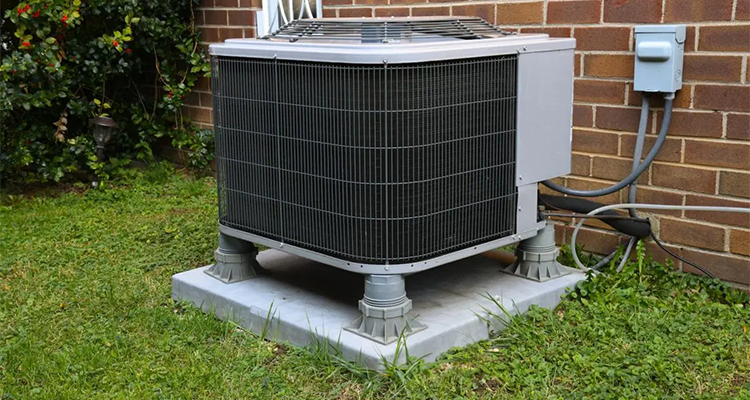
Heat pumps are gaining popularity as energy prices rise and homeowners seek greener ways to heat and cool their homes. But are they right for your house? In this guide, we’ll cover the basics you should understand — including insulation and space considerations, cost and performance benefits, and how heat pumps stack up to conventional heating systems.
What Is a Heat Pump?
A heat pump is a sustainable heating system that does not produce heat by burning fuel but instead moves it from one location to another. Most of the time, heat pumps take heat from outdoor air — even in cold weather — and use it to warm interiors and provide hot water. There are other varieties (such as ground-source heat pumps), but air-source systems are the type you’re most likely to see in people’s homes.
Who Can Benefit from a Heat Pump?
Well-Insulated Homes
A heat pump operates best in a house with good heat retention. Because walls, lofts, and draught-proof windows are well insulated, the system won’t have to work as hard to heat your home, increasing comfort and lowering costs.
Tip: If your home is not well-insulated, it might be worth upgrading the insulation before installing a heat pump — you will get much better performance from the system.
Outdoor Space & Installation Requirements
Since heat pumps must exchange heat with the outdoor air, you’ll need enough outdoor space for the unit — whether it’s mounted on a wall or sits on the ground. It also has to be tall enough for airflow and easy servicing.
- Most commonly, air-source heat pumps are installed outdoors and are relatively easy to install.
- Ground-source heat pumps need significantly more space in the garden for their underground pipes.
Indoor System Compatibility
Heat pumps work by providing heat at lower temperatures than traditional boilers. Because of this:
- They work best with underfloor heating or large radiators that can put out a lot of heat at relatively low temperatures.
- Standard radiators can be used, but may need to be upgraded for maximum performance.
Performance in Older Homes
Heat pumps can serve older homes — even those built decades ago — as long as the buildings are well-insulated and the systems are intelligently designed. Today’s heat pumps are more flexible than ever, and a contractor can evaluate your specific circumstances.
Is Your Home a Good Match? A Quick Checklist
Well-insulated walls and loft
- Space outside for the heat pump unit
- Heating system (ideal is under floor or big radiators)
- Want to save on electricity costs and reduce your carbon footprint?
- Readiness to invest a bit up front for long-term savings
You likely qualify if you check most of these boxes — a heat pump is probably perfect for your space!
Next Steps
Before making a decision:
- Schedule a home energy assessment with an approved installer.
- Get a heat-loss calculation—it tells you the size and pump your home needs.
- Consider insulation upgrades if necessary.
- Inquire whether any local rebates or incentives would lower costs.
Heat pumps could be a green, efficient upgrade — but they’re not one-size-fits-all. If planned for and professionally guided, however, it can revolutionize home heating while cutting bills and carbon emissions.
If you’re interested in whether a heat pump would be a good fit for your home, call one of our experienced team members at Aire One Keswick today!